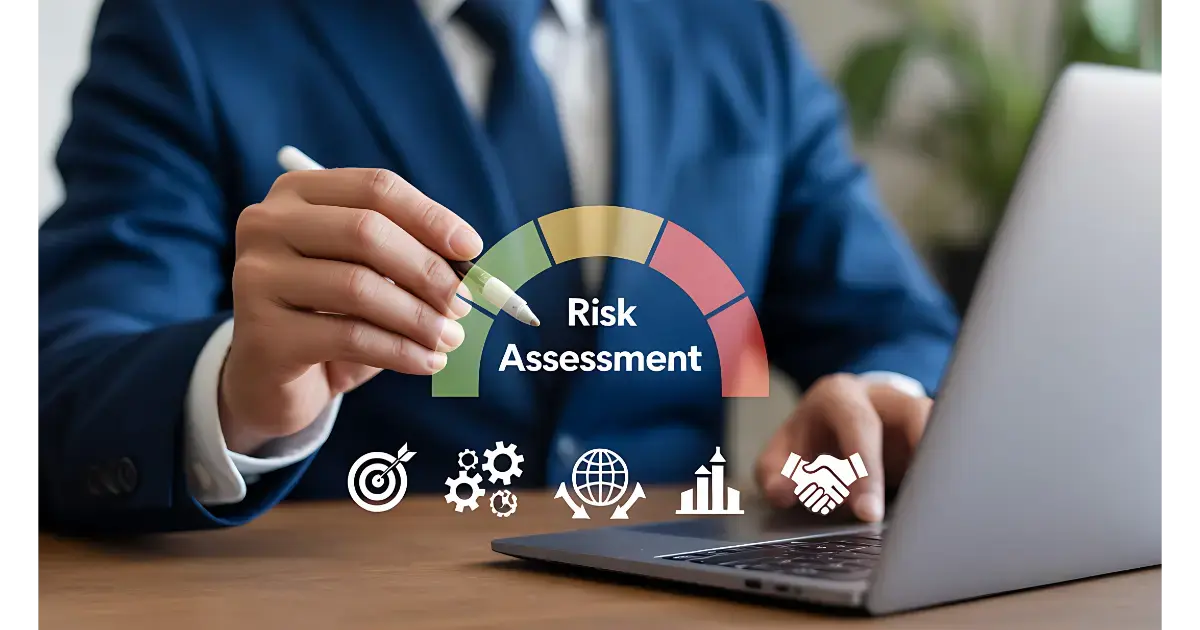
Every TPRM team knows the feeling. A vendor assessment wraps up, findings are distributed, owners are notified, and then the queue goes quiet. Three months later, the same findings resurface in the next cycle. Slightly reworded, still unresolved.
Most TPRM programs are engineered to produce findings. Very few are engineered to close them. Remediation is the point where risk management either works or quietly fails. It’s not about tracking findings; it’s about enforcing ownership, validating fixes, and creating a system where unresolved issues can’t drift.
This guide focuses on that gap: what happens after the assessment, and how to turn findings into verified, audit-ready outcomes instead of recurring exposure.
Why Vendor Risk Remediation Matters
Vendor risk remediation is the structured process of resolving findings identified during third-party risk assessments. It includes assigning ownership, setting resolution deadlines by severity tier, collecting and validating evidence, and formally closing each finding with an audit trail. Without it, assessments produce documentation, not risk reduction.
The cost of unresolved findings is not theoretical. According to IBM's 2025 Cost of a Data Breach Report, third-party vendor and supply chain compromise was the second costliest attack vector, averaging $4.91 million per incident. The gap between identifying a vendor risk and closing it is precisely where that exposure lives. And regulators, particularly under frameworks like DORA, are now requiring documented evidence that identified risks were not just noted, but resolved.
For context on how findings are generated in the first place, see our guide on vendor risk assessment criteria.
Types of Vendor Risk Findings That Require Remediation
Here are the four categories of findings that typically emerge from vendor assessments and require structured remediation.
Control gaps
Missing or insufficient security controls found through questionnaire responses or evidence review. For example, a vendor lacking multi-factor authentication on systems with access to your regulated data. These are the most common finding type and frequently carry a direct cybersecurity or regulatory remediation obligation. They should never be accepted as-is without a documented compensating control in place.
Compliance deficiencies
A vendor's failure to maintain active certifications, lapsed audit reports, or evidence of non-alignment with applicable frameworks such as HIPAA, ISO 27001, or SOC 2. A lapsed SOC 2 Type II report is not a documentation gap; it is a compliance exposure that your external auditors will flag. Treat certification lapses with the same urgency as active control failures.
Contractual breaches
Instances where vendor performance violates agreed SLA terms, data processing obligations, or contractual security requirements. These findings sit at the intersection of your legal and risk teams and require a different remediation path than pure security findings, typically involving contract counsel alongside the TPRM workflow.
Operational vulnerabilities
Business continuity gaps, untested disaster recovery plans, or fourth-party (sub-processor) exposures that could disrupt service delivery. These are routinely deprioritized in favor of cybersecurity findings, but they carry significant regulatory weight under DORA and represent some of the hardest risks to remediate quickly.
Key Steps in Vendor Risk Remediation
Follow these five steps to move every finding from identification to verified closure.
Step 1: Classify and prioritize findings by severity. Not all findings demand the same urgency. Define your tiers in policy before any assessment runs: critical findings get a 15-30 day window, high-severity findings get 30-60 days, medium findings get 60-90 days, and low findings carry to the next assessment cycle with documented acceptance.
Measure the percentage of findings classified within five business days of assessment completion. If this number is below 80%, your intake process is the problem.
Step 2: Assign ownership with named individuals. "The vendor should address this" is not an assignment. Every finding needs one internal owner accountable for tracking it to closure, and one named vendor contact responsible for executing the fix. Without dual ownership, findings drift. Your remediation policy should specify escalation rules when either party is unresponsive within 10 business days.
Step 3: Issue a formal remediation plan to the vendor. Document what is required, by when, and with what evidence. The plan should specify the control to be implemented, the verification evidence type, like updated SOC 2 report, MFA configuration screenshot, penetration test results, and the deadline aligned to the finding's severity tier. Every remediation plan should live in a tracked system, not an email thread.
Step 4: Review and validate evidence. When a vendor submits evidence, skepticism is the correct default. Evidence review means confirming that what was submitted actually addresses the specific finding, not just that something arrived. A vendor submitting an outdated policy document to close an active control gap is the most common way remediation cycles extend past their intended window.
Measure the percentage of first submissions that pass review without requiring revision.
Step 5: Close with a full audit trail. A finding is closed when validated evidence is on file, the status is updated in the system of record, and a close-out note captures what was resolved, who validated it, and when. Under DORA, this documentation must be producible for supervisory review on demand. Verbal or informal closures are not closures.
Pro tip: Build a 30-day stale-finding alert into your workflow. Any finding with no status update after 30 days should automatically trigger an escalation to the internal owner first, then to their manager if no response within five business days.
Common Reasons Vendor Risk Remediation Fails
No defined SLA by severity tier. Without pre-set deadlines tied to finding severity, every remediation conversation becomes a negotiation. Vendors quickly learn that unenforced deadlines are optional.
Ownership lives in email. When remediation tracking runs through inboxes instead of vendor management tools built for this, findings are invisible to leadership, audit trails are incomplete, and context is lost whenever a team member changes role. One departure can collapse months of remediation progress.
Exception approvals bypass governance. Risk acceptance and exceptions are legitimate tools, but without an approval workflow, a documented rationale, and a defined review date, exceptions become permanent deferrals. Every accepted risk needs an expiration date and a queue trigger for the next assessment cycle.
Evidence review is treated as a formality. Under workload pressure, teams approve submissions without verifying they address the actual finding. This closes findings on paper while leaving the underlying risk open, which is the worst possible outcome during an audit.
No escalation path for repeat misses. A vendor that misses one deadline may need a reminder. A vendor that misses three consecutive deadlines is signaling a governance problem that requires a contractual response, not an operational one.
Best Practices for Effective Remediation
Build remediation obligations into contracts before onboarding. If your vendor agreement does not specify remediation timelines, evidence requirements, and escalation rights, your ability to enforce closure depends on goodwill rather than contract. Establish these terms at onboarding, not after a critical finding surfaces.
Use compensating controls for findings that cannot be remediated immediately. When a vendor cannot close a control gap within the required window due to technical complexity or upstream dependencies, a documented compensating control can bridge the gap. This is a sound risk management tool when it is time-bound, approved, and reviewed at a defined date. It becomes a liability when it quietly becomes permanent.
Score vendors on remediation performance, not just assessment results. A vendor that consistently remediates critical findings within SLA is meaningfully lower risk than one with clean questionnaire responses who never closes findings on time. Remediation velocity and closure rates belong in your ongoing vendor risk score.
Remediation Timelines and SLA Standards
Most TPRM teams set remediation timelines informally. That is one of the most common reasons findings stall. The table below reflects industry-aligned benchmarks that should be embedded in your formal remediation policy.
|
Finding Severity
|
Recommended Window
|
Escalation Trigger
|
|
Critical
|
15-30 days
|
Exec escalation if no remediation plan by day 10
|
|
High
|
30-60 days
|
Escalate to vendor account manager if no evidence by day 30
|
|
Medium
|
60-90 days
|
Status check at day 45; escalate if no update
|
|
Low
|
Next assessment cycle
|
Document as accepted risk with a defined review date
|
For DORA-regulated financial institutions, these windows should tighten. DORA requires financial entities to maintain a register of ICT third-party risks with documented remediation decisions, evidence of follow-up, and records available for supervisory review. Informal tracking like spreadsheets and email threads does not meet that standard.
Trap to avoid: Do not set SLA windows without formal policy sign-off. Remediation timelines that exist only in practice are advisory. An auditor will recognize the difference immediately.
How ComplyScore® Manages Vendor Risk Remediation
If you have the remediation framework in place but still find your team tracking findings through email, chasing evidence manually, and producing audit documentation under deadline pressure, the bottleneck is not your process. It is the absence of a governed workflow that enforces it.
ComplyScore® builds the remediation lifecycle directly into the TPRM workflow so nothing requires manual intervention to stay on track.
Every finding raised during an assessment automatically generates an owned task with a named internal assignee, a severity-tiered deadline, and a full audit log. Overdue items escalate automatically based on the rules defined in your policy to the finding owner first, then to their manager, without anyone manually triggering the process.
Exception handling follows a governed approval workflow. Every exception requires a documented rationale, a named approver, and a mandatory review date. No finding can be accepted informally or without a paper trail. AI-assisted evidence review checks submissions against the specific control gap identified, flagging inadequate evidence before it reaches an analyst and reducing the revision cycle that typically extends remediation timelines.
Leadership visibility is live, not periodic. Executive dashboards show finding status by severity, average days to closure by vendor tier, and overdue items with named owners; not a monthly report but a real-time view.
Organizations running on ComplyScore® maintain above 90% SLA adherence on remediation workflows, with overdue items visible and escalating by default.
See how ComplyScore® manages vendor risk remediation end-to-end. Book a demo.
FAQs
What is the difference between vendor risk remediation and risk acceptance?
Remediation means the vendor implements a fix, evidence is collected, and the finding is formally closed. Risk acceptance means your organization decides the finding represents tolerable residual risk, documents that decision with a named approver, and sets a mandatory review date. Risk acceptance is legitimate for low-severity findings or where remediation is not feasible within a reasonable window. It is never an appropriate substitute for governance. Every accepted risk needs an expiration date.
How long should vendor risk remediation take?
Timelines should map to finding severity. Critical findings: 15-30 days. High severity: 30-60 days. Medium: 60-90 days. Low: next assessment cycle with documented acceptance. For DORA-regulated financial entities, these windows may need to compress further to meet supervisory expectations for documented remediation progress and ICT risk register maintenance.
Who is responsible for vendor risk remediation: the vendor or the internal team?
Both, with distinct roles. The vendor implements the fix and submits evidence. Your internal team tracks the finding, reviews evidence, and escalates missed deadlines. Single ownership on either side is the most common failure mode in remediation programs. Every finding needs a named internal owner and a named vendor contact.
What evidence should a vendor provide to close a finding?
The evidence type depends on the finding. A cybersecurity control gap may require an updated SOC 2 report, an MFA configuration screenshot, or penetration test results. A compliance deficiency may require a renewed certification. A contractual breach requires documented corrective action and a post-implementation confirmation. The specific evidence requirement should be defined in the remediation plan issued to the vendor.
How do you handle a vendor that repeatedly misses remediation deadlines?
First missed deadline: internal escalation with a revised plan and documented cause. Second: escalate to the vendor's executive relationship owner and reference contractual remediation obligations. Third: trigger a formal review to consider whether the vendor's risk tier needs revision, whether compensating controls are required in the interim, or whether the relationship warrants a contract review. Repeated deadline misses are a governance signal, not a scheduling inconvenience.
What does DORA require for vendor risk remediation documentation?
DORA requires financial entities to maintain a register of ICT third-party risks with documented treatment decisions, remediation timelines, and evidence reviewed at closure. Every finding needs a documented owner, a treatment decision, and a record that is producible for supervisory review on demand. DORA specifically mandates that financial institutions include SLAs, audit rights, and remediation obligations in vendor contracts. This makes informal, email-based remediation tracking a compliance exposure.







.webp?width=387&height=387&name=headless-tprm%20(1).webp)












































%20(1).jpg)